
One of the biggest questions homeowners ask when thinking about selling is: should I repair my house first or sell it as-is?
It’s not always an easy answer. The right choice depends on how much work the property needs, how quickly you need to move, and whether the cost of repairs actually makes financial sense.
For some sellers, a few smart cosmetic updates can help the home stand out. For others, putting more money into the property only adds stress without a meaningful return.
In this guide, we’ll walk through both options so you can decide what makes the most sense for your timeline, budget, and goals.
Fixing Up Your House: The Pros and Cons
Pros
Higher Sale Price
Well-maintained homes often attract more buyer attention and can sell for a higher price, especially in neighborhoods where buyers expect move-in-ready homes.
Increased Buyer Interest
Updated properties tend to stand out in the market. Even simple cosmetic improvements can make a home feel more inviting and help it sell faster.
Better Appraisal Results
Certain repairs and updates may improve the appraisal value, which can be important if the buyer is financing the purchase.
Cons
Costly Repairs
Renovations often cost more than expected. What starts as a simple project can quickly turn into a larger expense once hidden issues are uncovered.
Time-Consuming
Repairs, staging, and coordinating contractors can take weeks or even months, delaying your sale.
Uncertain Return on Investment
Not every repair adds dollar-for-dollar value. In many cases, minor cosmetic improvements provide a better return than major renovations. Sometimes the most effective updates are surprisingly affordable, especially when you focus on cheap ways to make your home look more expensive that improve presentation without a major budget.
Which Repairs Are Actually Worth Doing?
One of the biggest mistakes sellers make is spending money in the wrong places.
Fresh paint, updated lighting, landscaping, and replacing outdated hardware often create a stronger first impression than expensive remodels. On the other hand, some projects sound good in theory but rarely produce enough return to justify the cost.
This is where it helps to think carefully about whether a project is worth the investment or whether it falls into the category of fix it or forget it upgrades that may not improve your bottom line.
Sometimes simple visual improvements and smart presentation strategies can make more impact than full-scale renovations. Even small home upgrade hacks can change the way buyers perceive the property.
Selling As-Is: The Pros and Cons
Pros
Save Time
Selling as-is allows you to skip repairs and move forward quickly.
Lower Stress
You avoid the hassle of contractors, scheduling work, inspections, and project delays.
Appeals to Cash Buyers
Many investors and cash buyers specifically look for homes in as-is condition and are prepared to close quickly.
Cons
Lower Sale Price
Buyers will typically factor repair costs into their offer.
Smaller Buyer Pool
Some traditional buyers prefer move-in-ready homes.
Perceived Risk
As-is properties can sometimes make buyers assume there are larger issues, even when that’s not the case.
Two El Paso Sellers, Two Different Decisions
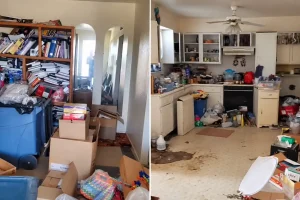
Selling As-Is Made More Sense for This Coronado Hills Homeowner
We recently worked with a homeowner who owned a house in Coronado Hills but lived in Phoenix. Over the years, the house had accumulated a lot of stuff—books, clothes, furniture, knickknacks, and years' worth of belongings she just didn't want or have the time to deal with.
She absolutely could have listed the house as-is and left everything there. The problem was there was so much inside the home that it would have been difficult for buyers to even walk through the property and really see the house.
And because she lived in Phoenix, getting it cleaned out meant either making multiple trips back to El Paso or finding people she trusted to sort through everything, haul it away, clean the house, and get it ready for showings.
At that point, she had to decide whether the extra time, money, and hassle made sense for her.
For her, it didn't.
She decided selling the house directly to us made more sense. She was able to sell the house for cash as-is, without cleaning it out, making repairs, or getting it ready for showings. We bought the house and took care of everything that was left behind.
Could she have cleaned everything out and tried selling it on the open market? Absolutely. And depending on her circumstances, that might have been the better option.
But it wasn't the better option for her.
That's really the point. Selling as-is isn't always just about the condition of the house. Sometimes it comes down to where you live, how much time you have, what resources you have available, and how much work you actually want to take on before selling.
Sometimes Making the Repairs Is Worth It
Not every homeowner we meet decides to sell their house as-is.
We recently met with a homeowner who was considering selling his property directly to us. We went through our normal process, walked the house, looked at the repairs it needed, and presented him with an as-is cash offer.
We actually came pretty close to making a deal.
But the homeowner had experience working on properties and understood what it would take to get the house ready for the market. After looking at both options, he decided to take about a month, make the necessary repairs himself, and then put the house on the market closer to full market value.
For him, making the repairs made sense.
The house needed work, but the repairs weren't nearly as extensive as some of the properties we see. He had the experience to handle them, he had the time, and he believed the additional amount he could make by selling on the open market would justify the extra work.
So he passed on our offer.
And that's an important part of deciding whether to repair your house or sell it as-is. Sometimes the numbers really do favor making the repairs.
If you're capable of handling the work, the repairs are manageable, you aren't under pressure to sell quickly, and the potential increase in your net proceeds is worth the time and money you'll put into the house, repairing before you sell may be the better choice.
On the other hand, if you're looking at major repairs, don't have the money or time to complete them, or simply don't want to take on the project, selling as-is may make more sense.
When Selling As-Is Makes More Sense
Selling as-is is often the better option when:
- you need to move quickly
- the property requires major repairs
- the cost of repairs outweighs the expected return
- the home is inherited, vacant, or distressed
- life circumstances are creating urgency
For many homeowners, especially when the numbers no longer justify the work, it makes more sense to sell the house fast in El Paso without putting more money into repairs.
This is especially true when the home needs roof work, foundation repairs, HVAC replacement, or extensive cosmetic updates.
How to Decide What Makes Sense Financially
The decision really comes down to net outcome.
Ask yourself:
- How much will repairs cost?
- How long will the work take?
- How much additional value will it realistically create?
- Is the added stress worth the difference?
Sometimes spending a little can improve your result. Other times, it makes more sense to sell the house as-is—either by listing it on the market or selling directly to a cash buyer.
At the end of the day, the right choice depends on your goals, your timeline, and how much effort you want to put into the process.
If you're not sure which option makes more sense, we're happy to talk through it with you. If selling directly as-is turns out to be the better fit, you can see how our process works and what to expect from a cash offer.
