
Inheriting a house in El Paso can feel overwhelming, especially when you’re unsure whether a will exists or what legal steps are required before selling.
Many families are also dealing with grief, disagreements between heirs, deferred repairs, or the pressure of maintaining a vacant property during the process.
How quickly the home can be sold — and what’s required to do so — often depends on whether the property was inherited with a will or without one.
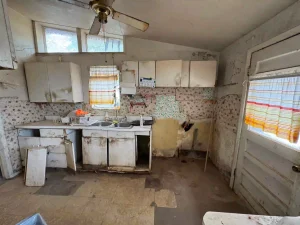 This guide explains how to sell an inherited house in El Paso in both situations, including probate, Affidavits of Heirship, and other legal options available in Texas. The goal is to give you clarity and guidance so you can make informed decisions during an already difficult time.
Selling an Inherited House in El Paso With a Will
When a will exists, the person named as the executor is responsible for managing the estate. In most cases, the house must still go through probate before it can be sold.
How the probate process typically works in El Paso
-
File the will with the probate court
The executor submits the will and required paperwork to the county probate court. -
Attend a probate hearing
The court validates the will and formally appoints the executor. -
Inventory assets and pay debts
Outstanding obligations such as mortgages, property taxes, and liens must be addressed. -
Obtain approval to sell the property
Depending on the type of probate, court approval may be required before listing the house. -
Sell the house and finalize the transaction
The sale must comply with court and title company requirements before closing.
In El Paso, probate often takes several months, and longer if there are disputes, missing documents, or multiple heirs involved. For families looking to simplify the process, understanding options for selling a house in probate can help reduce delays, stress, and uncertainty.
Selling an Inherited House Without a Will in Texas
If no will exists, the property falls under Texas intestate succession laws. Ownership is distributed to the deceased person’s closest living relatives according to state law.
Before the house can be sold, legal ownership must be established. Without clear authority, selling the property becomes more complicated and usually takes longer.
Using an Affidavit of Heirship to Sell a House in El Paso
When all heirs agree and the family situation is straightforward, an Affidavit of Heirship may be used instead of full probate.
How an Affidavit of Heirship works
- Establish the heirs
A family history is prepared to confirm who the rightful heirs are and how they are related to the deceased. - Secure witness signatures
The affidavit must be signed by an heir and two unrelated witnesses who knew the deceased for at least 10 years, in front of a notary. - Record the affidavit
The document is filed with the county where the property is located. - Prepare a new deed
An attorney drafts a deed transferring ownership to the rightful heirs. - Sell the house
Once title is accepted, the property can move forward with a sale.
This option works best when the estate is simple and all heirs are cooperative. It’s important to know that some title companies may require additional documentation before accepting an Affidavit of Heirship, especially when ownership history is unclear.
When Probate Is Required to Sell an Inherited House
Probate is usually required when:
-
Heirs cannot agree on selling the property
-
Ownership is unclear
-
One or more heirs refuse to sign
-
Title issues, mortgages, or liens exist
These situations often require additional coordination before a sale can move forward, especially when mortgages or liens must be resolved before closing.
In these situations, the probate court may appoint an administrator to oversee the estate. The sale often requires court approval, and proceeds are distributed according to a legal judgment. Disagreements between heirs are one of the most common reasons probate becomes unavoidable.
Other Legal Alternatives to Probate in Texas
In certain situations, probate may be avoided using other legal tools.
Muniment of Title
If the deceased had a will and no outstanding debts, the will may be probated as a muniment of title. This allows ownership to transfer without going through a full probate process.
Transfer on Death Deed (TODD)
A Transfer on Death Deed allows a homeowner to name a beneficiary who automatically inherits the property upon death, avoiding probate entirely.
Small Estate Affidavit
If the estate’s non-real-estate assets are valued under $75,000, heirs may qualify for a Small Estate Affidavit to simplify asset transfer.
Selling an Inherited House With vs Without a Will
-
Authority to sell: Clearer with a will
-
Timeline: Typically faster with a will
-
Risk of disputes: Higher without a will
-
Legal complexity: Greater without a will
-
Likelihood of probate: Common in both, more likely without a will
Every inherited property situation is different, especially when multiple heirs, title issues, or probate delays are involved.
How We Buy Casa Helps Families Sell Inherited Homes in El Paso
We’ve helped many families in El Paso sell inherited houses — whether through probate or by using an Affidavit of Heirship when appropriate. When heirs are in agreement, we work closely with trusted local title companies to ensure the process is handled correctly and efficiently.
Our team takes care of the details and paperwork so you can focus on what matters most. Some families simply want the fastest path forward and choose to sell the inherited house fast instead of dealing with repairs, clean outs, ongoing taxes, or months of uncertainty.
If you’re looking to sell an inherited house in El Paso, you can reach out anytime. We’ll explain your options clearly and help you decide what makes the most sense for your situation.

Frequently Asked Questions About Selling an Inherited House in El Paso
Can I sell an inherited house before probate is finished?
Sometimes. It depends on whether the executor has authority to sell and whether the title company will allow the transaction before probate is complete.
Do all heirs have to agree to sell an inherited house?
Yes. If even one heir refuses to sign, probate or court involvement is usually required.
How long does probate take in El Paso?
Probate timelines vary, but it often takes several months. Disputes, missing documents, or multiple heirs can extend the process.
Can I sell an inherited house as-is?
Yes. Many inherited homes are sold as-is to avoid repairs, clean outs, and delays.
What if there is no will and heirs disagree?
When heirs cannot agree, probate is usually required and the court will determine how the property is handled.
Final Thoughts on Selling an Inherited House With or Without a Will in El Paso
Selling an inherited house in El Paso requires different legal steps depending on whether a will exists. With a will, probate is usually required before selling. Without a will, options like an Affidavit of Heirship may apply if all heirs agree. When disputes arise, probate and court approval are often unavoidable.
Understanding your options — and getting guidance early through our How It Works process — can make the experience far less stressful and help you move forward with confidence.
