
A vacant house has a funny way of becoming more expensive even though nobody is living in it.
The property taxes keep coming. The yard still needs attention. Something breaks. Then you start wondering whether anyone has been around the property since the last time you checked.
If you own a vacant house in El Paso and you’re trying to decide what to do with it, you generally have a few options. You can fix it up and list it, sell it as-is on the market, or sell directly to a cash buyer.
The right choice depends on the condition of the house, how long you’re willing to keep carrying it, and how much work you want to put into the property before selling.
And if the place is full of furniture, belongings, or things nobody in the family wants to deal with, that’s a separate problem—but it doesn’t necessarily have to stop you from selling either.
Why a Vacant House Can Become a Problem Faster Than You Think
The biggest problem with a vacant house is that the expenses don’t become vacant with it.
You may still be paying:
- Property taxes
- Insurance
- Utilities
- Yard maintenance
- Repairs
- Mortgage payments, if there’s still a loan
Then there’s the property itself.
A small roof leak nobody notices can turn into a much larger repair. An overgrown yard can advertise that nobody is living there. And unfortunately, an empty house can attract unwanted attention.
We learned that last one firsthand when one of our own vacant renovation properties was broken into.
That doesn’t mean every vacant house is going to have a problem. But the longer a property sits empty, the more things there are to keep an eye on.
It can be even harder if you live outside El Paso or inherited the property after a family member passed away. Now you’re responsible for a house you may not even visit regularly.
We’ve Bought Vacant Houses in Just About Every Condition
Over the years, I’ve walked through vacant houses that had been empty for a few months and others that looked like nobody had touched them in years.
Some were completely empty.
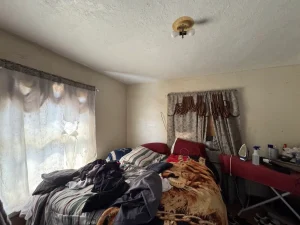
Others still had furniture, clothes, family photos, paperwork, broken appliances, old food, and just about everything else the previous owner had left behind.
We’ve also bought vacant properties with overgrown yards, roof leaks, vandalism, deferred maintenance, and repairs that had been ignored because nobody was living there to notice them.
Usually the homeowner’s biggest question isn’t even:
“How much is the house worth?”
It’s:
“Where do I even start?”
And that’s understandable. If you inherited the house or live somewhere else, cleaning out an entire property before you can even think about selling it can feel like another job you never asked for.
Do You Have to Clean Out a Vacant House Before Selling?
Not necessarily.
If you plan to clean the house up and list it traditionally, removing belongings and improving the presentation may help you attract more buyers and potentially get a stronger price.
But if you sell the property directly to us, you don’t have to clean the house out first.
Furniture, trash, old appliances, and unwanted belongings can stay behind. We can account for the cleanout when we evaluate the property.
For some families, especially after inheriting a house, that alone can save weeks of work. And if the property is especially packed with belongings, the same idea applies to a hoarder house that needs to be cleaned out before selling.
I’ve seen people start going through a house thinking:
“We’ll knock this out in a weekend.”
Three weekends later, they’re still deciding what to do with a garage full of stuff.
Sometimes cleaning everything makes sense.
Sometimes it doesn’t.
How We Make a Fair Cash Offer on a Vacant Home
A fair cash offer shouldn't feel like a guess. It should be based on real numbers that you understand.
When we evaluate a vacant home, we look at:
- what similar homes are selling for after repairs
- the condition of the property today
- estimated repair and renovation costs
- normal selling and closing expenses
- your timeline and overall situation
We walk you through every part of the calculation so you understand exactly how we arrived at the offer. If we believe you'll make more money by selling your house on the open market, we'll tell you that too. Our goal is to help you make the best decision—not pressure you into selling directly.
How to Sell a Vacant House in El Paso
1. Fix It Up and List It
If the house is basically sound and the repairs are manageable, putting some money into the property before listing may produce the highest net proceeds.
The question is whether the additional sale price justifies the repairs, time, and carrying costs.
2. List the House As-Is
You don’t necessarily have to renovate a vacant property to put it on the market.
You may be able to disclose the condition, price it appropriately, and let buyers decide how much work they’re willing to take on.
The trade-off is that properties needing significant work may attract a smaller buyer pool or create more negotiation after inspections.
3. Sell the Vacant House Directly
If you don’t want to clean, repair, stage, or continue carrying the property, a direct cash sale may make more sense.
We can walk the property, account for the condition and cleanout, use a local title company, and close on a timeline that works for you. If the title is clear, that can sometimes be as little as 7 to 14 days.
But speed isn’t the only consideration. The real question is which option gives you the best combination of net proceeds, time, work, and risk.
When Selling a Vacant House As-Is May Make More Sense
I wouldn’t tell every owner of a vacant house to sell it for cash.
If the property is updated, easy to maintain, and you aren’t in a hurry, listing it may put more money in your pocket.
Selling as-is becomes more attractive when:
- The house needs significant repairs
- You’re paying expenses every month on an empty property
- You live out of town
- The house is full of belongings you don’t want to remove
- Security or deterioration is becoming a concern
- You don’t want to manage contractors or showings
The important thing is to compare the numbers before deciding.
A higher sale price doesn’t automatically mean a higher net if it takes $30,000 in repairs and several months of carrying costs to get there.
What I Would Do With a Vacant House
If this were my property, I’d start by answering four questions:
- What is the house realistically worth today?
- What could it sell for after repairs?
- How much will I spend fixing and carrying it until it sells?
- How much time and work do I actually want to put into this?
Once you know those numbers, the decision usually gets a lot clearer.
At We Buy Casa, I can look at both sides with you. I buy houses directly, but I’m also a licensed real estate agent.
If fixing the property and listing it is likely to leave you with significantly more money, I’ll tell you.
If the numbers don’t justify the repairs—or you simply don’t want the headache—we can also look at buying the house as-is.
If you want to see what that process looks like, take a look at How It Works and compare your options before deciding.
